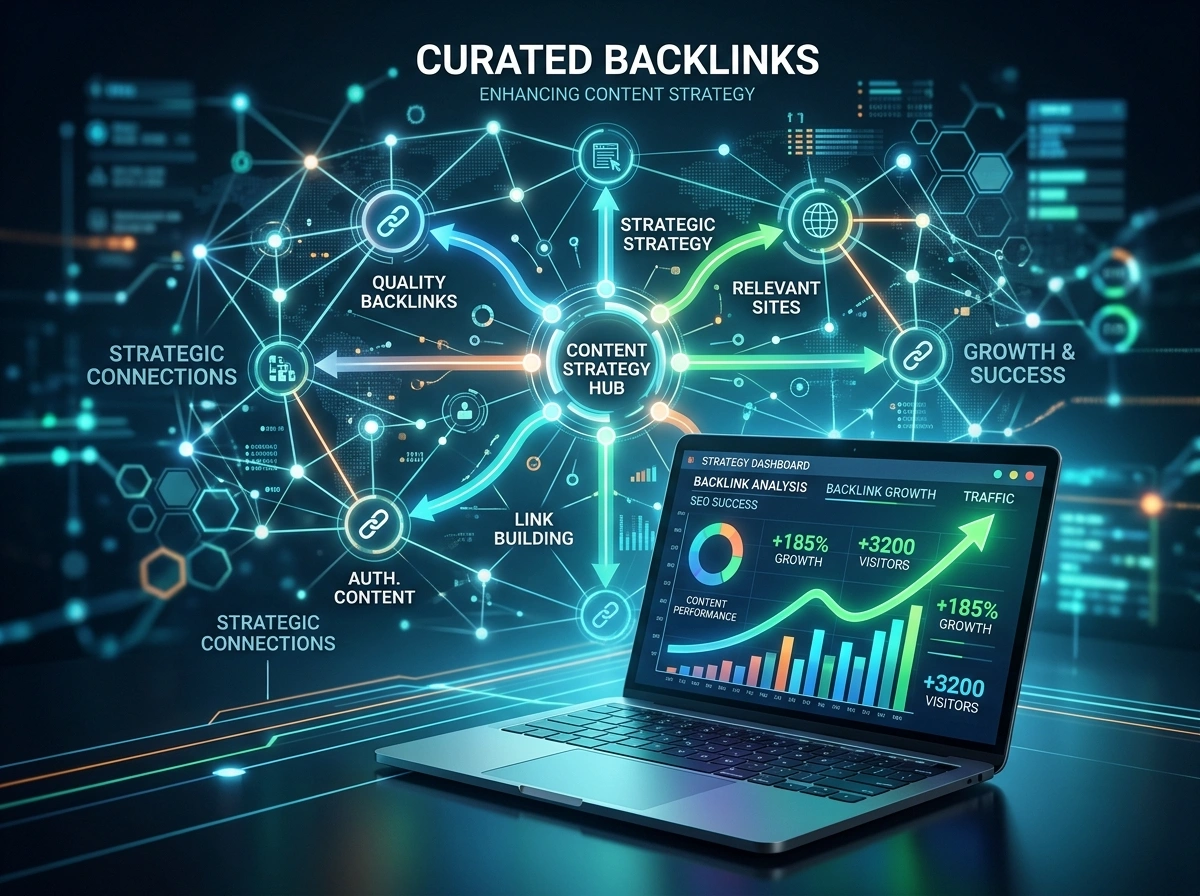
Developing a robust content strategy requires more than just publishing well-written articles. Search engines evaluate thousands of signals to determine which pages deserve the top spots in search engine results pages. Among these signals, the authority and relevance of the websites linking to your content remain critical deciding factors.
Many marketing teams spend countless hours producing exceptional content, only to see it languish on the second or third page of search results. This frustrating outcome often stems from a lack of authoritative signals pointing back to those newly published pages. Without external validation from established websites, search algorithms struggle to confidently rank your pages above older, more established competitors.
This is where strategic link placement changes the equation. By securing placements within already indexed, high-authority articles, organizations can bypass the lengthy waiting periods traditionally associated with new content indexing. These specialized placements act as immediate votes of confidence, signaling to search algorithms that your pages offer valuable information worthy of higher visibility.
Understanding how to leverage these placements effectively can transform a stagnant content pipeline into a reliable driver of organic traffic. This guide explores the mechanics of these placements, their advantages over traditional methods, and how to weave them into your broader digital marketing efforts for maximum impact.
Understanding the Role of Backlinks in Content Strategy
At their core, search engines function as massive recommendation engines. When a user enters a query, the algorithm attempts to provide the most accurate, reliable, and helpful information available. To determine reliability, search engines look at the web of connections between different sites. A link from one website to another serves as a digital endorsement.
When an established, high-traffic website links to your content, it passes along a portion of its authority, commonly referred to as link equity. This transfer of authority tells search engines that your content is trustworthy. If multiple authoritative domains link to your resources, your website’s overall domain authority increases. This broad increase in authority makes it significantly easier for all your future content to rank well.
However, not all endorsements hold the same weight. A link from a newly created, low-traffic blog provides minimal value compared to a link from an established industry publication with thousands of daily readers. Content strategy, therefore, must involve a deliberate plan for acquiring these high-value endorsements. Producing great articles is only the first half of the equation; ensuring those articles are recognized and cited by the right digital publications is the crucial second half.
What are Curated Backlinks?
Traditional link-building often involves writing entirely new guest posts for other websites and including a link back to your domain. While effective, this method requires significant time and resources. You have to pitch a topic, write the article, wait for the publisher to review it, and then wait months for search engines to index the new page and assign it authority.
Curated backlinks, also known as niche edits, offer a more efficient alternative. Instead of creating a brand-new article from scratch, you secure a link placement within an existing, aged article that has already earned trust and authority from search engines. These older articles have already passed the search engine sandbox period. They have established rankings, consistent organic traffic, and existing backlinks pointing to them.
Because these articles are already trusted entities, the link equity begins flowing to your website almost immediately upon placement. The process involves identifying highly relevant, authoritative content that topically matches your own pages, and working with the webmaster to insert a contextual link that adds value to the original piece. This method leverages the hard work the publisher has already done, allowing your content to benefit from their established search engine presence.
Benefits of Using Curated Backlinks for SEO
Integrating these specific placements into your search engine optimization strategy offers several distinct advantages over relying solely on new content creation or traditional outreach.
Immediate Authority Transfer
The most significant advantage is the speed at which you see results. Because the host article is already indexed and trusted by search engines, you bypass the typical waiting period. When search engine crawlers revisit the aged page and discover your new link, the equity transfers rapidly, resulting in much faster movement in search engine results pages.
High Contextual Relevance
Search algorithms heavily weigh the surrounding context of a link. If you run a financial software company, a link from an article about “best accounting practices” carries far more weight than a link from a generic lifestyle blog. This method allows you to select the exact articles that align topically with your target pages, ensuring the highest possible contextual relevance.
Access to Vetted Domains
Quality service providers enforce strict metrics when acquiring these placements. They filter out private blog networks (PBNs), link farms, and domains with declining traffic. By targeting sites with a Domain Authority (DA) of 40 or higher and significant monthly organic traffic, you protect your backlink profile from toxic signals and potential manual penalties.
Cost and Resource Efficiency
Drafting high-quality guest posts demands significant editorial resources. By inserting links into existing content, you eliminate the need to write thousands of words for other websites. This allows your internal content team to focus their energy entirely on producing exceptional assets for your own domain.
How to Integrate Curated Backlinks into Your Content Strategy
To maximize the return on your investment, these placements must be integrated thoughtfully into your broader content architecture. Randomly acquiring links to random pages yields inconsistent results.
Conduct a Backlink Gap Analysis
Before acquiring any links, analyze your competitors. Identify the pages that currently outrank your target content. Look at the number of referring domains pointing to those competitor pages. This analysis reveals the exact “link deficit” you need to overcome to achieve the top position.
Prioritize Commercial and High-Value Content
Not all pages require the same level of external support. Focus your link acquisition budget on pages that drive revenue or capture qualified leads. Service pages, product pages, and bottom-of-the-funnel pillar posts should receive the highest priority.
Map Exact-Match and Partial-Match Anchors
The clickable text of a link, known as anchor text, provides search engines with strong clues about the topic of the destination page. Develop an anchor text strategy that uses a natural mix of exact-match keywords, partial-match phrases, and branded terms. Over-optimizing with exact-match anchors can trigger spam filters, so variety is essential for maintaining a healthy, natural-looking link profile.
Align Placements with Content Updates
When you update an older piece of content on your website to ensure it remains fresh and accurate, support that update with a few new external placements. This combined signal—refreshed content plus new authoritative links—often results in substantial ranking boosts.
Best Practices for Quality Link Building
The landscape of search optimization punishes shortcuts and rewards methodical, quality-focused approaches. Adhering to strict standards ensures your strategy yields sustainable, long-term growth.
Enforce Strict Traffic Metrics
A high Domain Authority score can sometimes be manipulated, but consistent organic traffic is much harder to fake. Always verify that the domain hosting your link receives real, verifiable traffic from search engines. Target sites that receive at least 5,000 monthly organic visitors. A link from a site that search engines already send traffic to is vastly more valuable than a link from an inactive domain.
Avoid Toxic Environments
Carefully review the prospective website before securing a placement. Ensure the site does not participate in link schemes, host excessive amounts of spammy content, or link out to restricted industries. A clean neighborhood is vital; associating your brand with low-quality web properties will ultimately drag down your own authority.
Prioritize Editorial Integration
The link must make logical sense within the flow of the existing article. It should provide genuine value to a reader who clicks on it. Search engines are becoming increasingly sophisticated at identifying unnatural link insertions. Work with publishers to ensure the surrounding text seamlessly introduces your resource.
Measuring the Impact of Curated Backlinks
Tracking the performance of your link-building campaign allows you to refine your strategy and demonstrate a clear return on investment.
Monitor Keyword Rankings
The most immediate indicator of success is an improvement in the target page’s ranking for its primary keywords. Use rank-tracking software to monitor the exact positions of your URLs before and after the links are placed. Keep in mind that while these specific placements act faster than traditional methods, it may still take several weeks for search engines to fully process the new signals and adjust rankings accordingly.
Track Organic Traffic Growth
Ultimately, rankings only matter if they bring qualified visitors to your site. Use your analytics platform to measure the organic traffic flowing to the specific pages you supported with external links. Look for a sustained lift in non-branded commercial traffic, as this indicates you are successfully capturing users who are actively searching for your solutions.
Evaluate Link Profile Health
Use specialized SEO tools to monitor your overall backlink profile. Keep an eye on your anchor text ratios to ensure they remain natural and diverse. Track the overall growth of your referring domains. A healthy campaign will result in a steady, upward trajectory of high-quality referring domains without triggering spam warnings.
Next Steps for Your SEO Strategy
Earning visibility in modern search environments demands a sophisticated approach to building authority. Creating outstanding resources on your website establishes the foundation, but strategic external endorsements are the catalyst that pushes that content to the top of the results pages.
By leveraging placements within aged, authoritative articles, organizations can accelerate their ranking timelines, improve contextual relevance, and drive meaningful organic traffic to their most valuable pages. Implementing these methods requires careful planning, strict quality control, and consistent measurement.
Start by conducting a thorough audit of your current content assets. Identify the high-value pages sitting just outside the top three search positions. These “striking distance” pages represent your best immediate opportunities. From there, define your anchor text strategy, partner with reputable placement services, and monitor the resulting shifts in your organic visibility. With a disciplined approach, this focused link strategy will become a cornerstone of your long-term digital growth.