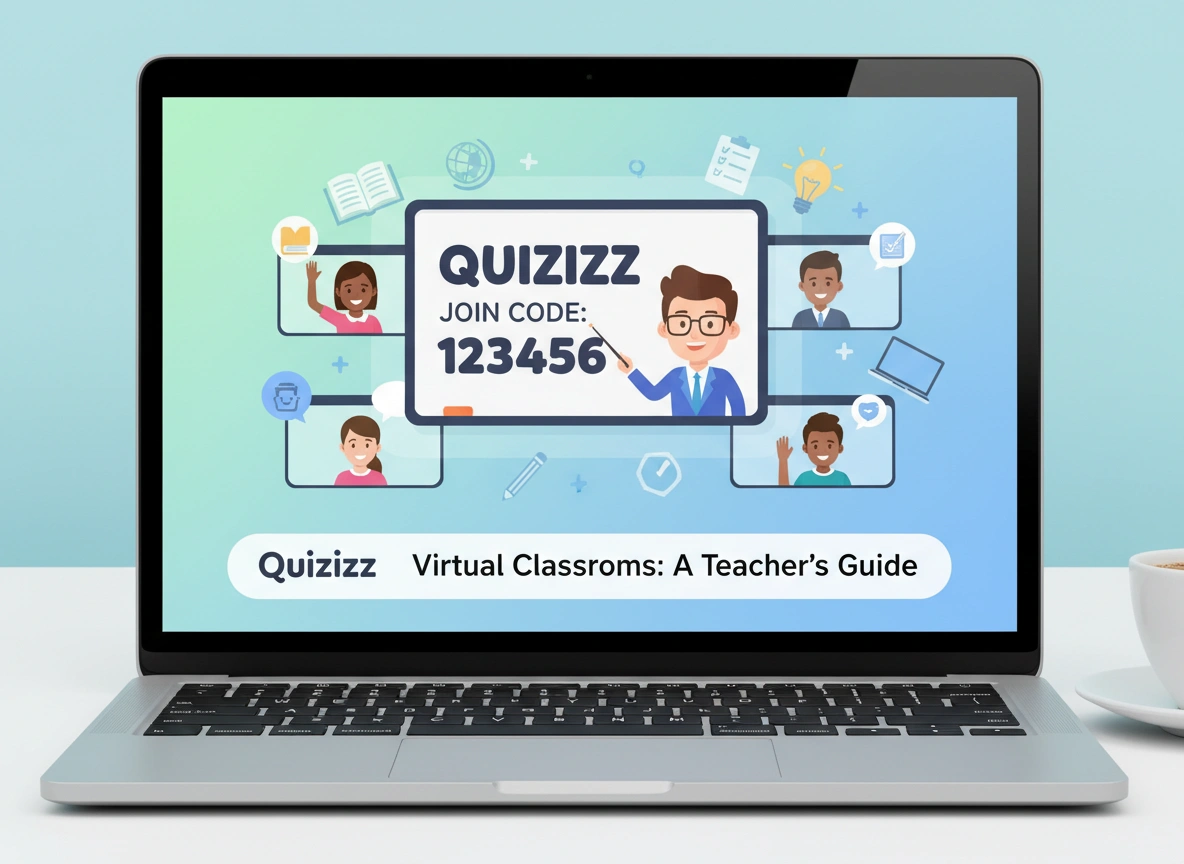
Engaging students through a screen often feels like speaking into an empty void. Virtual classrooms lack the immediate physical feedback of a traditional setting, making it harder to know if your students actually grasp the material. This is where interactive learning platforms step in to bridge the gap. By turning standard assessments into gamified experiences, you can capture student attention and measure comprehension in real time.
This guide explores exactly how to leverage Quizizz to transform your virtual teaching strategy. We will break down the mechanics of the platform, explain how to generate and distribute access codes, and provide practical tips to maximize student participation. Whether you want to run live reviews or assign interactive homework, you will walk away with a clear blueprint for success.
Introduction to Quizizz and Its Benefits for Virtual Learning
Quizizz is an interactive learning platform that allows educators to create, assign, and host gamified quizzes and interactive lessons. Unlike traditional testing methods, this platform turns learning into a highly engaging activity complete with points, leaderboards, and immediate feedback. For teachers managing virtual classrooms, it offers a powerful way to assess student understanding without causing test anxiety.
The benefits of using this tool in a remote learning environment are substantial. First, it offers incredible flexibility. You can host live sessions where the entire class participates simultaneously, or you can assign quizzes as asynchronous homework. This accommodates different learning paces and scheduling needs.
Second, the platform provides rich data analytics. The moment a student completes an activity, you receive detailed reports highlighting their strengths and pinpointing areas where they struggle. This allows you to tailor future lessons to address specific learning gaps. Finally, the gamified nature of the platform inherently motivates students. Features like customizable memes, avatars, and power-ups make the review process enjoyable, keeping students actively engaged rather than passively watching a lecture.
What Are Quizizz Join Codes and How They Work
At the core of this platform’s accessibility is the join code system. A join code is a unique string of numbers automatically generated when you host a live game or assign a learning activity. This code acts as a digital key, granting students direct access to the specific quiz or lesson you have prepared for them.
When you finalize an activity, the system creates this temporary numerical password. Students simply navigate to the platform’s entry page, input the code, and enter their name to join your roster. This eliminates the need for complex account setups or lengthy registration processes for your students. They can jump straight into the learning material from any device with an internet connection, including smartphones, tablets, or computers.
For students looking to access their assigned assessments, the process of executing a quizizz join is designed to be as frictionless as possible. The codes ensure that your virtual classroom remains secure and that only the students who possess the specific key can participate in that particular session.
Step-by-Step Guide on Generating and Sharing Join Codes
Using access codes effectively requires understanding the workflow from creation to distribution. Follow these steps to generate and share your codes with ease.
Step 1: Create or Select an Activity
Log into your teacher dashboard and either build a new quiz from scratch or search the massive library of pre-made templates. Once you find or create the perfect assessment, click on it to open the host options.
Step 2: Choose Your Hosting Mode
Decide how you want your students to interact with the material. You generally have two main options:
- Start a Live Quiz: Ideal for synchronous virtual classes. Students compete in real-time, and you control the pace or let them answer independently.
- Assign Homework: Perfect for asynchronous learning. You set a specific deadline, and students complete the activity on their own schedule.
Step 3: Generate the Code
After selecting your preferred mode, configure your game settings. You can toggle features like question shuffling, timer visibility, and power-ups. Once your settings are locked in, click the “Assign” or “Start” button. The screen will immediately display a unique multi-digit code.
Step 4: Share the Code with Students
Distributing the code effectively is crucial for a smooth virtual class. You can share this code through several channels:
- Display it via screen share during a live video call.
- Copy the direct link provided and paste it into your classroom chat box.
- Post the code directly into your Learning Management System (LMS), such as Google Classroom, Canvas, or Microsoft Teams.
- Send it via email for asynchronous assignments.
Tips for Engaging Students Using Quizizz Join Codes
Simply sharing a code is just the first step. To truly harness the power of this platform, you need strategies that keep students invested in the learning process.
Build Thematic Quizzes
Align your quiz design with current holidays, school events, or trending pop culture topics. You can customize the memes that appear after correct or incorrect answers to match these themes. When students see relatable and timely content, their engagement naturally increases.
Utilize the Leaderboard Strategically
The competitive aspect of the leaderboard is a massive draw for many students. However, to keep everyone motivated, celebrate various types of achievements. Acknowledge the top scorers, but also praise students who show the most improvement or those who maintain the highest accuracy streak. This inclusive approach ensures that all students feel valued, regardless of their final ranking.
Implement Spaced Repetition
Do not limit your quizzes to major unit reviews. Use short, five-question quizzes at the beginning or end of your virtual sessions. Distribute these quick access codes frequently to reinforce concepts over time. This method of spaced repetition dramatically improves long-term knowledge retention and establishes a consistent, engaging routine.
Encourage Student-Created Content
Once your students are familiar with how the codes work, flip the classroom. Have them design their own review questions and generate codes to share with their peers. Teaching a concept to others is one of the most effective ways to solidify understanding, and students love challenging their classmates.
Troubleshooting Common Issues with Join Codes
Even with the most straightforward technology, occasional hiccups occur in a virtual classroom. Here is how to handle the most frequent problems.
Code Has Expired
If you assigned a quiz as homework, the access code comes with a strict expiration date and time. If a student attempts to use the code after the deadline, they will receive an error message. To fix this, simply navigate to your “Reports” tab, find the assignment, and click “Edit Date” to extend the deadline. The original code will reactivate immediately.
Invalid Code Errors
Sometimes, students accidentally type the wrong numbers or try to use an old code from a previous week. Always double-check that the code you displayed perfectly matches the active session. If a student consistently gets an invalid error, instruct them to refresh their browser or clear their cache, as browser glitches can occasionally prevent the entry field from recognizing valid input.
Students Cannot See the Join Field
If a student navigates to the wrong homepage, they might not see where to enter their numbers. Ensure you provide them with the exact URL for joining games, rather than the teacher login page. Providing the direct join link alongside the numerical code usually solves this issue instantly.
Accidental Disconnections
During live games, unstable internet connections might drop a student from the session. Reassure them that they can simply re-enter the exact same join code to jump back into the activity. The platform typically saves their progress, allowing them to pick up right where they left off without losing their earned points.
Conclusion
Transitioning to a virtual learning environment presents unique challenges, but interactive tools offer a reliable solution for maintaining student focus and tracking academic progress. Quizizz join codes provide a streamlined, secure, and highly effective way to connect your students to valuable learning materials.
By understanding how to generate these codes, distribute them seamlessly through your LMS, and troubleshoot minor technical snags, you can eliminate wasted class time and focus entirely on instruction. Apply the engagement strategies outlined in this guide—from customized memes to student-led quizzes—to transform routine assessments into moments of genuine excitement. Start building your next interactive lesson today, generate your first access code, and watch your virtual classroom’s participation soar.