Search engine optimization is undergoing a massive transformation. Tactics that reliably pushed websites to the top of search engine results pages just a few years ago now carry significant risks. As search algorithms become more sophisticated, digital marketers must rethink how they build authority and trust online.
Backlinks remain a fundamental ranking factor for major search engines. However, the focus has completely shifted from quantity to quality. Website owners can no longer rely on directory submissions, exact-match anchor text spam, or low-quality guest posts to move the needle. Search engines now demand real signals of authority, which is where high-tier link building comes into play.
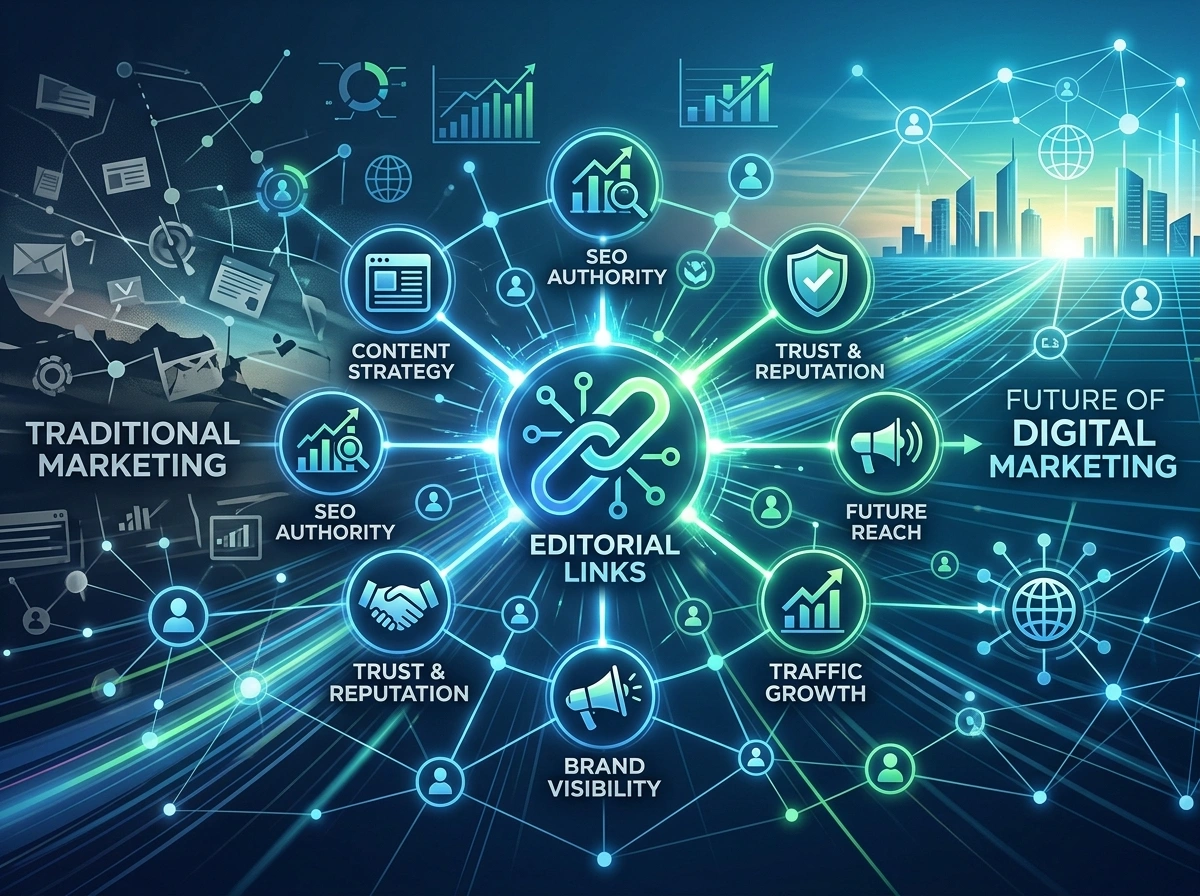
If you want to secure long-term organic growth, you need to understand how editorial links fit into your overarching SEO strategy. These natural, contextually relevant citations from authoritative publications are becoming the gold standard of digital marketing. This comprehensive guide explores why these links matter, how artificial intelligence is changing the landscape, and the exact strategies you can use to future-proof your digital presence.
The Current State of Backlinking
Link building has always been a cornerstone of search engine optimization. For decades, it operated on a relatively simple premise: the more links pointing to your website, the higher your pages would rank. This led to an era of mass link acquisition. Marketers built private blog networks (PBNs), automated their blog commenting, and purchased links on irrelevant websites just to inflate their metrics.
Those days are officially over. Search engines like Google have deployed advanced spam-fighting algorithms designed to neutralize manipulative link schemes. If a search engine determines that your backlink profile consists mostly of unnatural links, your site can suffer severe ranking penalties. The algorithm now evaluates the context surrounding a link, the authority of the referring domain, and the actual traffic that the referring page receives.
Today, successful backlinking requires a public relations mindset. It is no longer about tricking an algorithm. It is about earning a genuine citation on a website that your target audience actually reads. A single link from a highly respected industry publication carries vastly more weight than hundreds of links from low-quality, irrelevant domains.
Why Editorial Links Are Growing in Importance
Editorial link placements represent the highest tier of backlinking. An editorial link is a natural citation placed within the body of a well-written article by a publication’s editor or writer. These links are not forced or hidden in author bios. They exist because the writer genuinely believes the linked resource adds value for their readers.
Building Unshakable Brand Trust
Search engines view editorial citations as the ultimate signal of authority. When a prominent news outlet or a leading industry blog links to your website, they pass along a portion of their hard-earned credibility. This helps search engines trust your domain, which directly translates to improved rankings for competitive commercial keywords.
Driving Qualified Referral Traffic
A major differentiator between standard backlinks and editorial placements is the potential for referral traffic. Spam links live on pages that no human ever visits. Editorial placements exist on active publications with real readership bases. When a reader clicks a link within a compelling article, they arrive at your site pre-qualified and interested in your offerings. This often leads to higher conversion rates and improved brand awareness.
Enhancing Brand Perception
Being featured on top-tier media outlets elevates your credibility instantly. When potential customers see your brand mentioned alongside industry leaders in a reputable publication, their perception of your company improves. This halo effect extends beyond pure SEO metrics, impacting your overall sales pipeline and market positioning.
The Impact of AI and Search Engine Algorithm Updates
Artificial intelligence is reshaping every facet of digital marketing, and link building is no exception. As AI writing tools make it easier to produce massive volumes of content, the internet is becoming saturated with low-quality, generic articles. Search engines face the monumental task of sorting through this noise to find truly valuable information.
The Rise of SpamBrain and AI Detection
Google utilizes its own AI systems, like SpamBrain, to identify and nullify artificial link building patterns. These systems can detect when a link is bought on a known link farm or inserted into irrelevant, machine-generated text. As search algorithms improve, any link that does not look like a natural editorial choice will likely be ignored or penalized.
The Importance of E-E-A-T
Experience, Expertise, Authoritativeness, and Trustworthiness (E-E-A-T) form the framework search engines use to evaluate content quality. Editorial citations play a critical role in establishing your E-E-A-T. When a highly trusted domain links to your content, it acts as a powerful endorsement of your expertise. As AI-generated content floods the web, search engines will rely even more heavily on these human-curated editorial endorsements to determine which websites deserve top rankings.
Strategies for Acquiring High-Quality Editorial Links
Securing placements on premium websites requires a strategic, systematic approach. You cannot simply ask an editor at a major publication for a link and expect a positive response. You must offer something of undeniable value.
Create Data-Driven Content
Journalists and editors constantly look for new data to support their stories. By conducting original research, running industry surveys, or analyzing proprietary data, you can create a highly linkable asset. When you publish unique findings, reporters writing about your industry will naturally reference your data and link back to your original study as their source.
Execute Strategic Digital PR
Digital PR bridges the gap between traditional public relations and SEO. This strategy involves crafting compelling stories around your brand and pitching them to targeted journalists and editors. A successful digital PR campaign provides media professionals with everything they need to write a great story, including expert quotes, high-resolution images, and valuable insights. When they publish the story, you earn a high-authority editorial link.
Leverage Expert Commentary
Publications frequently need subject matter experts to provide context for breaking news or industry trends. Platforms that connect journalists with expert sources offer a direct pathway to editorial mentions. By providing prompt, insightful, and unique commentary on topics within your niche, you can secure highly relevant links from domains with exceptional authority.
Focus on Contextual Relevance
Relevance is just as important as domain authority. A link from a highly authoritative sports website will not help a financial software company nearly as much as a link from a moderately authoritative finance blog. Ensure your outreach targets publications directly related to your specific industry. Search engines look for topical alignment between the linking page and the destination page.
The Future Outlook for Editorial Link Building
Looking ahead, the divide between high-quality link building and spam tactics will only grow wider. Search engines will continue to refine their algorithms to reward brands that invest in genuine relationships and high-value content creation.
We can expect a greater emphasis on entity recognition. Search engines are getting better at understanding the relationships between different brands, people, and concepts. An editorial link helps search engines map your brand to specific topics and industry entities. The future of link building will focus less on isolated metrics like Domain Rating, and more on how a link solidifies your brand’s position within a specific topical ecosystem.
Furthermore, permanent placements will become increasingly valuable. A link that remains active indefinitely on a page that consistently generates organic traffic provides compounding SEO value over time. Marketers will need to prioritize long-term partnerships with high-quality publishers to ensure their link profiles remain robust and effective.
Preparing Your Brand for the Next Era of SEO
The future of digital marketing belongs to brands that build authentic authority. While shortcuts and manipulative tactics might offer fleeting bursts of traffic, they ultimately jeopardize your entire digital footprint.
Transitioning to an editorial-first link building strategy requires patience, resources, and a commitment to quality. You must focus on creating exceptional content, building real relationships with industry publishers, and earning citations that genuinely benefit the reader. Start by auditing your current backlink profile to identify areas for improvement. Then, develop a content strategy that prioritizes original research and expert insights. By aligning your SEO efforts with the core principles of digital PR, you can secure the premium placements necessary to outrank your competitors and dominate the search results for years to come.